
September 20, 2026
Curtains and Carpets: How to Care for Soft Furnishings in Your Nairobi Home

Curtains and carpets do more than soften a room. They control light, absorb sound, add warmth, and carry much of the everyday wear in a home. With a simple care routine, they can stay beautiful for longer. The important part is using the right method for the material.
Our recommendation: start gently, read the care label, and do not treat every textile in the same way. A lined curtain, a wool rug, and a synthetic carpet may all look fine, but they can respond very differently to water, heat, suction, and cleaning products.
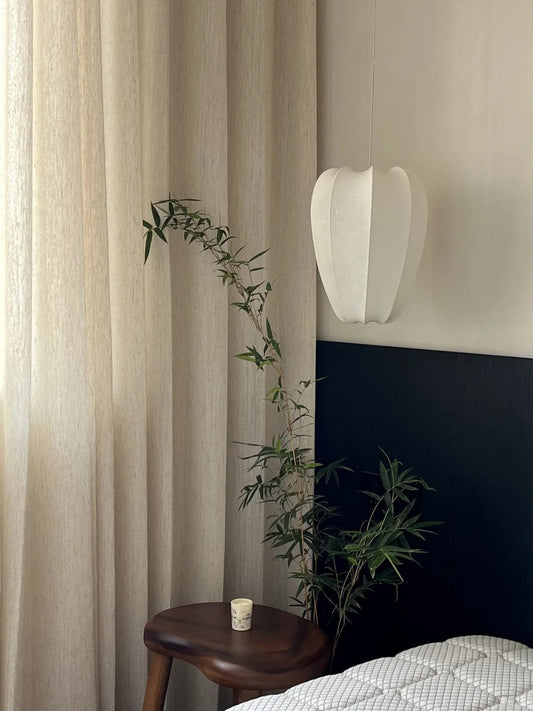
Start with the care label
Before washing, steaming, spot-cleaning, or applying a product, check the care label and any instructions supplied by the manufacturer. If the label is missing, the fabric is delicate, or the item has a special lining or finish, ask for advice before using water or heat.
- Identify the fabric, backing, lining, and any special finish.
- Follow the stated washing, drying, ironing, or dry-cleaning instructions.
- Test any approved product on a hidden area first and allow it to dry before checking the result.
- Keep a record of the product used if the item is valuable or likely to need future care.
Care labels are more reliable than a general rule such as “linen can be washed” or “steam is safe.” Construction, dye, lining, and finishing can change what is suitable.
How to care for curtains
Curtains collect dust along the hem, folds, and heading. Gentle, regular removal is usually safer than waiting until the fabric is visibly soiled and then trying to clean it aggressively.
Our recommended curtain routine
- Dust gently. Use a soft brush or a vacuum with a textile attachment on a low setting. Support delicate fabric and avoid pulling at seams, trims, or pleats.
- Deal with marks early. Blot a fresh mark with a clean, plain white cloth. Do not scrub, because rubbing can spread the mark or disturb the surface of the fabric.
- Follow the label before washing. Some curtains can be washed, while others need professional dry cleaning. Do not assume that a fabric can be treated safely because a similar-looking fabric can.
- Dry as directed. Avoid high heat unless the care instructions allow it. Curtains should be completely dry before they are rehung.
- Reduce unnecessary sun exposure. Lining and thoughtful window treatments can help manage strong direct light, but all textiles can change with prolonged exposure. Rotate or adjust treatments where the design allows.
Steam can help with the appearance of some curtains, but it is not automatically suitable for every fabric, lining, adhesive, or finish. If you are unsure, ask before steaming.
We design, source, stitch, and fit curtains and sheers in Nairobi. If your curtains need cleaning, or you are unsure whether they should be washed, dry-cleaned, or handled another way, contact Terry Interior Designs and ask us what is most appropriate for the fabric.
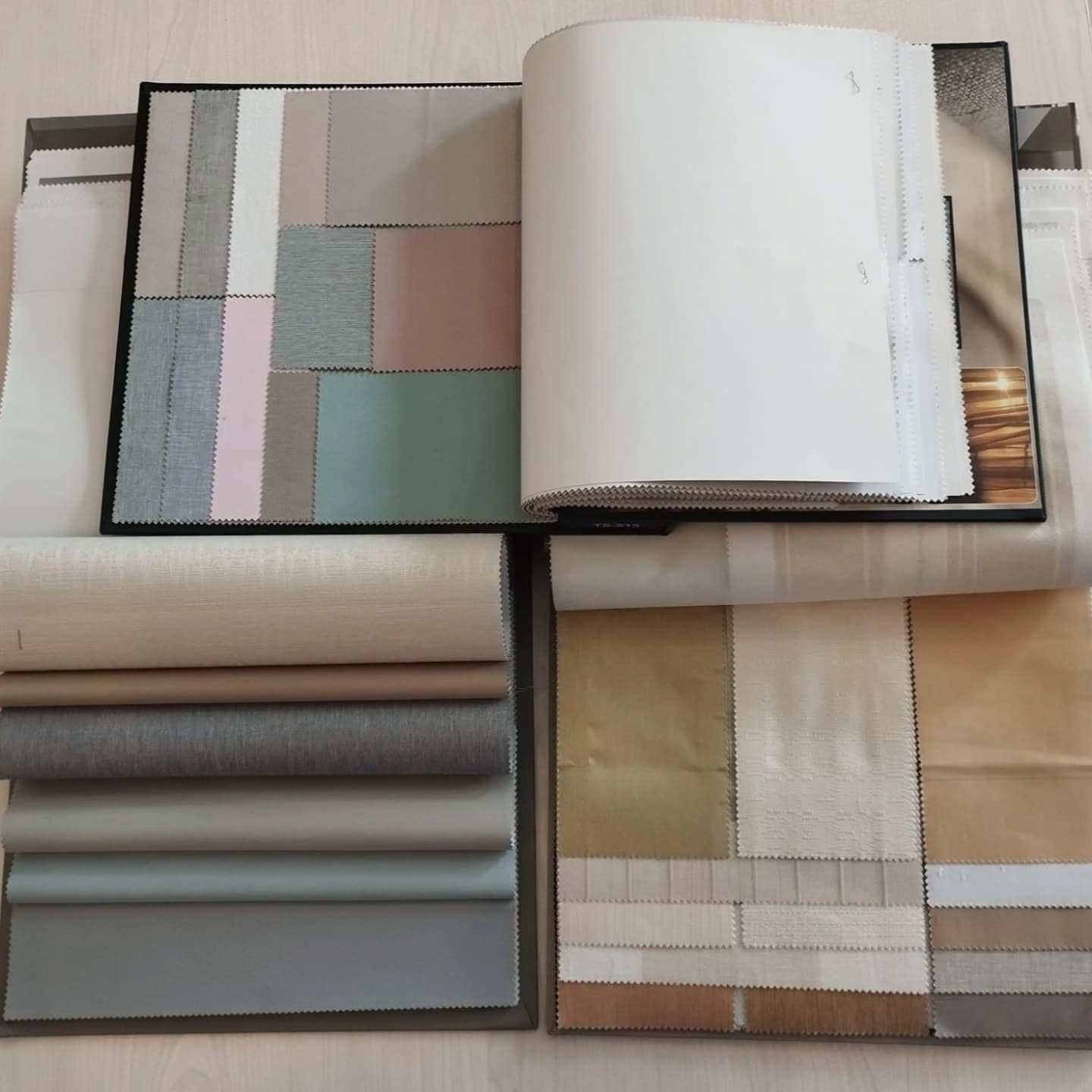
How to care for carpets and rugs
For carpets and rugs, the most useful routine is simple: remove dry soil regularly, deal with spills promptly, and use a cleaning method suited to the fibre and backing.
Our recommended carpet routine
- Vacuum regularly. Pay closer attention to entrances and high-traffic areas. Use an attachment and setting suited to the carpet so the pile is cleaned without unnecessary abrasion.
- Lift solids before using water. Scoop up food or other solid material with a blunt edge, then vacuum any remaining dry particles.
- Blot liquids quickly. Use a clean, plain white absorbent cloth or paper towel. Press and lift rather than rubbing, and work from the outside of the mark towards the centre.
- Use only a suitable product. Follow the carpet or rug manufacturer's instructions. A household detergent, bleach, or coloured cloth can create a second problem through residue, discolouration, or dye transfer.
- Let the area dry fully. Do not cover a damp carpet or return furniture before the cleaned area is dry. If a spill has soaked through, professional help is safer than repeated wetting.

The Carpet and Rug Institute gives 12–18 months as a general reference for restorative carpet cleaning, but the right interval depends on traffic, occupants, pets, soil levels, fibre, and the manufacturer's instructions. It is better to plan cleaning before heavy soil becomes difficult to remove than to wait for the carpet to look worn.
For rugs, especially hand-made, wool, viscose, antique, or colour-sensitive pieces, ask for an assessment before using a wet-cleaning method. The fibre, dye, construction, and backing all matter.
What we recommend avoiding
- Do not use bleach, strong disinfectant, or an unlabelled household cleaner on a textile.
- Do not scrub a stain aggressively or use a hard brush on a delicate surface.
- Do not over-wet a curtain, carpet, or rug when you do not know how the backing and lining will react.
- Do not assume that steam cleaning, machine washing, or dry cleaning is suitable without checking first.
- Do not put furniture, rugs, or floor coverings back into service while they are still damp.
When to ask Terry Interior Designs
It is worth asking for advice when the care label is missing, the item is delicate or valuable, a stain is large or old, colour has transferred, an odour persists, or a spill may have reached the backing. We offer cleaning support and can help you work out the best kind of cleaning for the specific textile rather than recommending the same treatment for everything.
Send us a photograph, the care label if available, and a short description of the problem. We can advise on the next step, including whether the item needs gentle in-home attention, specialist cleaning, repair, or replacement advice.
Need help with a curtain, carpet, or rug?
Ask Terry Interior Designs what kind of cleaning is best, or book a consultation for advice on your soft furnishings.
Our recommendation in brief
- Dust and vacuum gently but regularly.
- Blot spills quickly and avoid rubbing.
- Read the care label before using water, heat, or a cleaning product.
- Choose professional cleaning when the material, construction, or stain is uncertain.
- Ask us before treating a valuable, delicate, lined, or colour-sensitive piece.
This guide is general information, not a substitute for the care instructions supplied with a specific product. For reference, we reviewed guidance from the Carpet and Rug Institute, Ludvig Svensson, and a curtain care guide from Charles Parsons Interiors. The manufacturer's instructions for your own item should always take precedence.
Ready to bring your space to life?
Explore our work, services, and approach — and see what's possible for your home or hospitality project.
Learn More